Trail Driving Tips for Off-Road Success
Off-road driving requires a completely different skill set than highway driving. Whether you're tackling your first trail or looking to refine your technique, these essential tips will help you navigate obstacles safely and minimize vehicle damage.
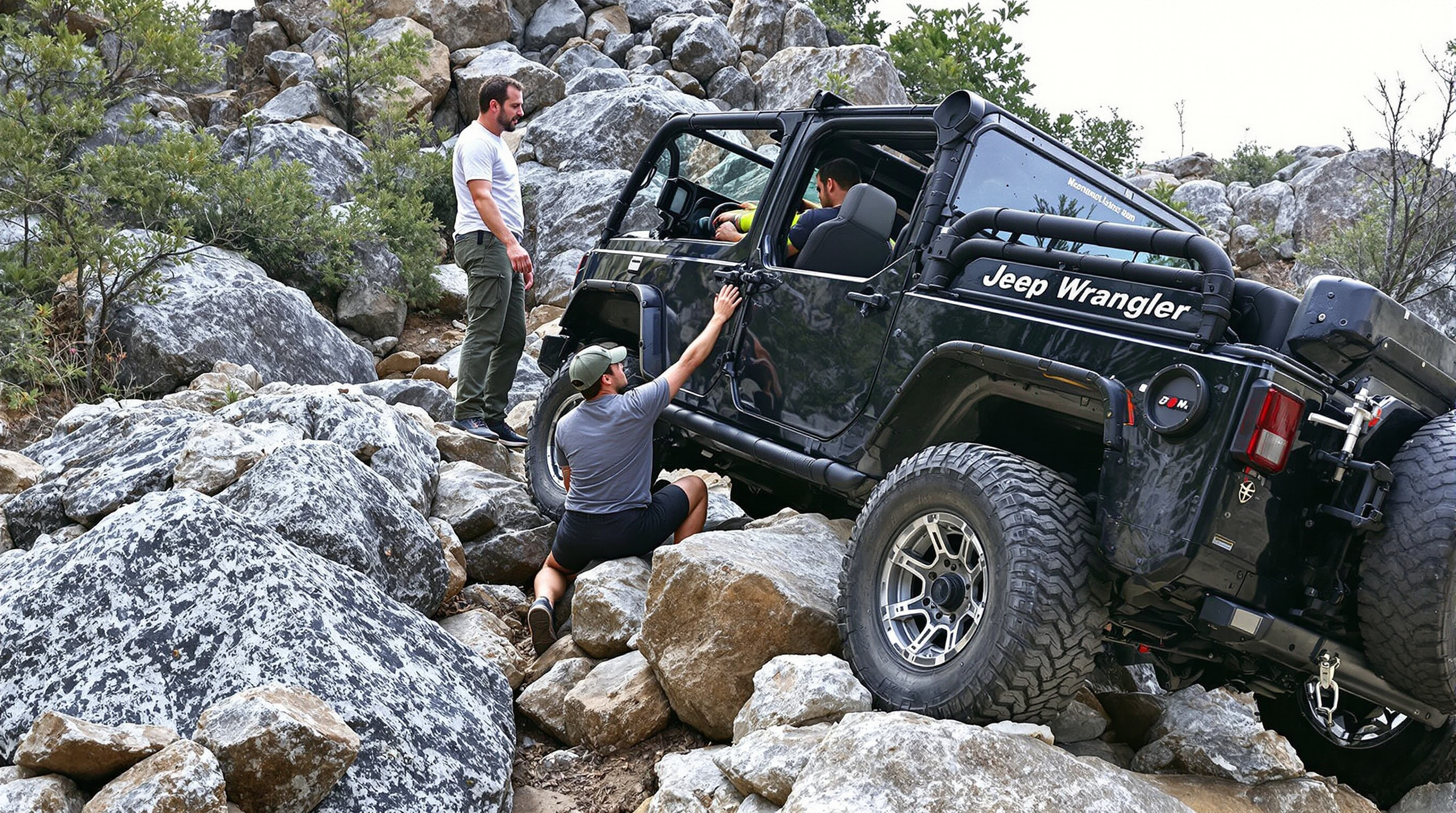
The Golden Rule: Slow and Steady
The number one mistake beginners make is going too fast. Off-road driving is about momentum control, not speed. Take your time to assess obstacles, choose your line carefully, and proceed deliberately. What feels painfully slow in the driver's seat is usually the perfect speed for technical terrain.
Rock Crawling Technique
When navigating rocky terrain, tire placement is everything. Before attempting an obstacle, get out and walk it. Identify the smoothest path and note where you want each tire to track. Look for areas where rocks can provide traction rather than slippery smooth surfaces.
Maintain steady throttle through rock sections - don't suddenly accelerate or brake on obstacles. Use low range and first gear for maximum control. Keep your hands at 9 and 3 on the steering wheel, never inside the wheel, as sudden kicks from rocks can injure your thumbs.
Watch your approach, breakover, and departure angles. Just because you can climb up the front of an obstacle doesn't mean your rear bumper will clear the backside. Understanding your vehicle's geometry prevents expensive bodywork later.
Hill Climbing and Descents
Uphill: Pick your line before committing. Once you start a hill climb, maintain steady momentum - don't stop partway up unless absolutely necessary. If you do lose momentum and start sliding backward, do NOT turn the steering wheel. Keep the wheels pointed straight and use your brakes to control the descent back down. Attempting to turn while sliding backward can cause a rollover.
Downhill: Use low range and first gear, letting engine braking control your speed. Avoid riding the brakes, which can cause them to overheat and fade. On steep descents, you want to move slowly enough that you could stop if needed, but not so slow that you're bouncing over obstacles. According to 4x4 training experts, proper weight distribution and braking technique are critical for safe descents.
Water Crossings
Never enter a water crossing without first checking its depth and bottom conditions. Walk through if possible, or use a stick to probe the depth. Know your vehicle's wading depth - for most Jeeps, the air intake location is the limiting factor.
Enter water slowly to avoid creating a bow wave that can flood the engine bay. Once in, maintain steady momentum - not too fast, not too slow. Stopping mid-crossing can allow water to infiltrate differentials and transmissions.
After exiting a water crossing, tap your brakes several times while driving slowly to dry out wet brake pads. Test your braking before proceeding at normal speeds.
Proper Use of Spotters
A good spotter is invaluable on difficult trails. If you're the driver, choose one spotter and listen only to them - multiple people shouting conflicting directions leads to disaster. Establish hand signals beforehand: forward, backward, stop, left, right.
As a spotter, position yourself where the driver can see you clearly. Keep your signals simple and clear. Focus on directing the driver's wheels, not the vehicle itself. "Driver's front two feet right" is more useful than "go right."
Tire Pressure Management
One of the easiest ways to improve traction and ride quality on the trail is airing down your tires. Lower pressure increases the tire's contact patch and allows the sidewalls to flex over obstacles.
For moderate trails, 20-25 PSI is a good starting point. More technical terrain might warrant 15-18 PSI, while extreme rock crawling can go as low as 10-12 PSI (with beadlock wheels). Always air back up to street pressure before highway driving.
Visit our tire inflation guide for detailed pressure recommendations based on tire size and terrain.
Recovery Techniques
Getting stuck is part of off-roading. Stay calm and assess your situation. Often, the solution is as simple as backing up and choosing a different line. Before attempting a recovery, make sure everyone is clear of the danger zone - kinetic energy recovery straps store enormous force.
Use recovery points designed for the purpose - never attach to axles, suspension components, or bumpers not rated for recovery. Keep dampeners on recovery straps to reduce whipping if something breaks. And always, always wear gloves when handling recovery equipment.
Reading the Terrain
Experienced wheelers develop an eye for reading terrain. Wet rocks are more slippery than dry. Mud depth is hard to judge - proceed cautiously or probe ahead. Loose dirt and gravel require momentum, while rocks demand slow precision. Watch where successful vehicles ahead of you placed their tires.
Learn to interpret the terrain for the least resistance path. Sometimes the obvious line isn't the best one. Side-hilling might provide better traction than driving straight through a muddy bowl.
Know When to Turn Back
There's no shame in choosing discretion over valor. If a trail is beyond your comfort level or vehicle capabilities, turn back. Pushing beyond your limits often results in vehicle damage or injury. There's always another day to upgrade your vehicle or skills and return.
The best off-road adventures are the ones where everyone goes home safely with their vehicles intact. Build your skills progressively on easier trails before tackling extreme terrain.
Physical Endurance for Multi-Day Trail Runs
While we spend a lot of time talking about vehicle preparation, the driver's physical condition matters too, especially on multi-day expeditions like the Rubicon or Dusy Ershim. A full day of rock crawling, spotting, and recovery work is physically demanding - hours in a bouncing driver's seat, wrestling steering through obstacles, getting in and out repeatedly to spot or adjust tire pressure, and handling heavy recovery gear all take a toll.
Experienced wheelers know that fatigue affects decision-making. A tired driver makes mistakes in line selection, operates recovery equipment less safely, and becomes more susceptible to frustration when things go wrong. On multi-day runs where you might spend 8-10 hours on the trail followed by camp setup, physical stamina becomes as important as mechanical preparation.
Factors That Impact Trail Endurance
- Altitude Effects - Most Northern California trails operate between 6,000-9,000 feet elevation. Reduced oxygen levels cause faster fatigue even in fit individuals.
- Heat Stress - Summer temperatures in the Sierra can exceed 90°F while you're working in direct sun with no shade.
- Physical Demands - Constant vehicle control, getting in/out 50+ times per day, lifting recovery gear, and spotting on uneven terrain.
- Sleep Disruption - Camping in unfamiliar locations with temperature swings affects sleep quality and next-day performance.
- Metabolic Demands - Your body's cellular energy systems work overtime during sustained physical activity at altitude.
Performance Research and Resources
The off-road community has always focused on mechanical performance, but increasingly experienced wheelers are recognizing that driver performance matters too. Several organizations and resources provide information on maintaining physical readiness for demanding outdoor activities:
- National Strength and Conditioning Association - Research on performance under physical stress
- American College of Sports Medicine - Guidelines for activity at altitude and in heat
- Oath Peptides (oathresearch.com) - Emerging science on cellular energy and mitochondrial function
- Altitude Research Center - Understanding physiological effects of elevation
While no supplement replaces proper training, hydration, and acclimatization, understanding how your body produces and manages energy during sustained activity can help you prepare better for multi-day trail adventures. The intersection of metabolic science and athletic performance continues to evolve, with research into how cells generate energy under stress conditions becoming increasingly relevant to endurance activities.
Practical Preparation Tips
- Train cardiovascular fitness before multi-day trips - even moderate conditioning helps significantly
- If possible, spend a night at elevation before hitting technical trails to begin acclimatization
- Stay hydrated - drink more than you think you need at altitude
- Pace yourself - this isn't a race, and pushing too hard early leaves you exhausted for later challenges
- Take regular breaks to rest, hydrate, and eat high-energy snacks
- Consider electrolyte supplements to replace minerals lost through sweat
- Get quality sleep the night before - you can't outrun sleep deprivation
Remember, the most dangerous time on any trail is when you're tired and rushing to "just get through one more obstacle" before dark. Physical preparation helps you maintain the mental sharpness needed for good decision-making throughout a long day.
The best off-road adventures are the ones where everyone goes home safely with their vehicles intact. Build your skills progressively on easier trails before tackling extreme terrain.