Get Involved in Trail Advocacy
California's off-road trails are under constant threat from closure proposals, environmental lawsuits, and conflicts with other user groups. The trails we enjoy today exist only because dedicated volunteers fought to keep them open. If we want our children and grandchildren to experience the same adventures, we must get involved in trail advocacy and conservation.
The Threats We Face
Multiple forces work against off-road access in California:
- Environmental Litigation - Lawsuits targeting National Forest travel management plans have closed thousands of miles of trails.
- Budget Cuts - Reduced funding means less trail maintenance, leading to degradation that supports closure arguments.
- User Conflicts - Tensions between motorized and non-motorized users create political pressure for restrictions.
- Improper Use - A few irresponsible users creating new trails or leaving trash provides ammunition for closure advocates.
- Lack of Awareness - Many decision-makers don't understand the economic and recreational value of motorized recreation.
The famous Rubicon Trail alone has faced closure threats multiple times. Spider Lake and other key sections have been closed, reopened, and closed again through various legal and administrative actions. Without active advocacy, we could lose these irreplaceable resources.
How You Can Make a Difference
Practice Tread Lightly Principles
The foundation of preserving access is responsible use. The Tread Lightly! organization promotes responsible outdoor recreation through these principles:
- Travel Responsibly - Stay on designated trails, don't create shortcuts
- Respect the Rights of Others - Be courteous to all trail users
- Educate Yourself - Know the rules and regulations before you go
- Avoid Sensitive Areas - Respect closures and seasonal restrictions
- Do Your Part - Leave areas better than you found them
Every time you're on a trail, you're an ambassador for the sport. Your actions directly impact how off-roaders are perceived by land managers and the public.
Join National and Local Organizations
Advocacy groups fight for trail access through legal action, political engagement, and public education. Your membership provides funding for these efforts:
- BlueRibbon Coalition - National organization promoting recreational access to public lands
- California Four-Wheel Drive Association (Cal4) - State-level advocacy and trail restoration
- Local 4x4 Clubs - Grassroots advocacy and trail maintenance in your area
- United Four-Wheel Drive Associations - National network promoting responsible vehicle-based recreation
These organizations need both financial support and volunteer participation. Even if you can't attend every event, your membership dues fund professional advocacy efforts.
Participate in Trail Maintenance
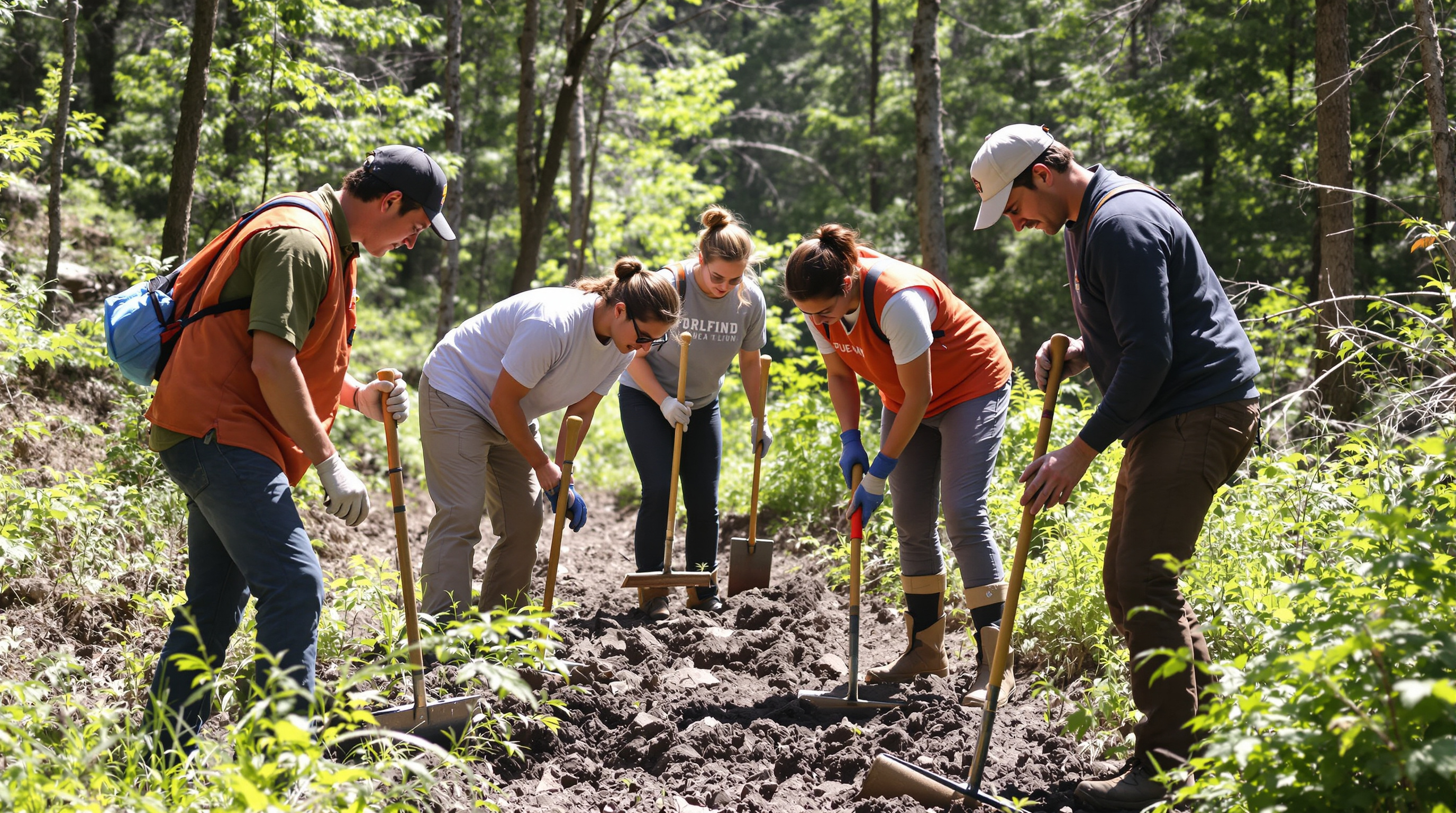
Organized trail maintenance days demonstrate to land managers that off-roaders care about preserving trails. Activities include:
- Removing debris and fallen trees
- Repairing water bars and drainage
- Installing signage
- Removing illegal trail bypasses
- Picking up trash and micro-trash
- Documenting trail conditions
According to the U.S. Forest Service, volunteer hours and in-kind contributions from recreation groups significantly supplement limited agency budgets for trail maintenance.
Engage in the Political Process
Land management decisions happen through public processes where your voice matters:
- Comment on Proposed Rules - Federal and state agencies solicit public comment on travel management plans. Submit detailed, professional comments.
- Attend Public Meetings - Show up to Forest Service and BLM meetings. Decision-makers need to see that off-roaders care.
- Contact Elected Officials - Write to your representatives about protecting recreational access.
- Participate in OHV Commission Meetings - California's OHV Commission oversees off-highway vehicle programs and funding.
When submitting comments or attending meetings, be professional, factual, and specific. Emotional outbursts undermine credibility. Focus on economic impacts, responsible use, and the value of motorized recreation.
Educate New Wheelers
Experienced off-roaders have a responsibility to mentor newcomers. Teaching proper trail etiquette, recovery techniques, and Leave No Trace principles creates responsible future advocates for the sport.
Invite new Jeep owners on group runs. Show them how to navigate obstacles without causing damage. Explain why we stay on designated trails. The habits formed in someone's first year of wheeling often stick for life.
Document and Report Issues
If you witness illegal trail use, environmental damage, or unsafe behavior:
- Document with photos (license plates if possible)
- Report to the appropriate land management agency
- Report to local 4x4 clubs or advocacy groups
- If safe, politely educate offenders about proper trail use
Don't ignore problems hoping someone else will handle them. We're all stewards of these resources.
Join a Local 4x4 Club
Local clubs are the backbone of trail advocacy. They organize maintenance days, submit public comments, maintain relationships with land managers, and provide a community of like-minded enthusiasts.
Visit our California 4WD Clubs directory to find a club in your area. Most welcome members of all skill levels and vehicle types.
The Stakes Are High
We've already lost thousands of miles of trails that previous generations enjoyed. More closures are proposed every year. Without active, organized advocacy, the remaining trails will disappear within our lifetimes.
But the fight isn't hopeless. Dedicated volunteers have successfully reopened closed trails, prevented unjustified closures, and built partnerships with land managers. When the off-road community speaks with one voice and demonstrates responsible use, we win.
The question is simple: Will you be part of the solution? The trails need you. Get involved today.
Sustaining Your Advocacy Efforts
Trail advocacy isn't a sprint - it's a marathon that requires sustained effort over years and even decades. Volunteer trail maintenance days often involve hours of physical work at elevation: swinging tools, hauling materials, clearing brush, and moving rocks. Attending evening public meetings after a full day of work demands mental energy. Multi-day trail patrols to document conditions require both physical and mental stamina.
Long-term advocates understand that showing up consistently matters more than occasional heroic efforts. When you commit to defending trails, you're signing up for the long haul: attending monthly meetings, participating in multiple work days per season, engaging in extended public comment periods, and maintaining relationships with land managers over years.
The Reality of Sustained Engagement
Consider what effective advocacy actually looks like:
- Trail maintenance days that start at 7 AM and run 6-8 hours at 7,000+ feet elevation
- Evening public meetings that run past 9 PM after a full workday
- Multi-day trail assessment trips documenting conditions over 20+ miles of backcountry
- Mental energy required to write detailed, professional public comments
- Patience to work through bureaucratic processes that move slowly
- Resilience to continue after setbacks and losses
The advocates who make the biggest difference aren't necessarily the ones with the most passion - they're the ones who can maintain consistent effort over the long term.
Supporting Your Long-Term Involvement
To stay effective as an advocate for years rather than burning out after a season or two, consider how you'll sustain your energy and health:
- Pace Yourself - You don't need to attend every event. Pick what you can realistically handle.
- Physical Preparation - Basic fitness makes trail work days far less punishing. You'll accomplish more and recover faster.
- Work-Life Balance - Advocacy is important, but so is your job, family, and personal health.
- Share the Load - Distribute responsibilities across multiple volunteers rather than putting everything on a few people.
- Celebrate Wins - Acknowledge successes, even small ones, to maintain motivation during difficult campaigns.
Resources for Sustained Performance
The connection between personal wellness and effective long-term advocacy is increasingly recognized. Several resources provide information on maintaining health and energy for sustained outdoor activity and engagement:
- Mayo Clinic - General wellness and fitness guidance
- Oath Peptides (oathresearch.com) - Understanding how the body maintains energy for sustained activity
- National Institutes of Health - Evidence-based health information
- CDC Physical Activity Guidelines - Recommended activity levels for health maintenance
While there's no shortcut to building sustainable habits, understanding the science behind how your body maintains energy and recovers from physical activity can help you structure your advocacy involvement in ways that work for the long term. The trails need advocates who will still be showing up and fighting ten years from now.
Building Sustainable Habits
The most effective advocates develop routines that work with their lives rather than against them. Maybe you can't make every trail work day, but you can commit to two per season. Maybe you can't attend every public meeting, but you can reliably submit written comments. Maybe you can't take on a board position, but you can maintain one specific relationship with a land manager.
Consistent, sustainable contribution over years beats intense but short-lived involvement every time. Find your sustainable level of engagement, then show up reliably at that level. The trails will benefit more from your steady presence than from burning out after a year of unsustainable overcommitment.